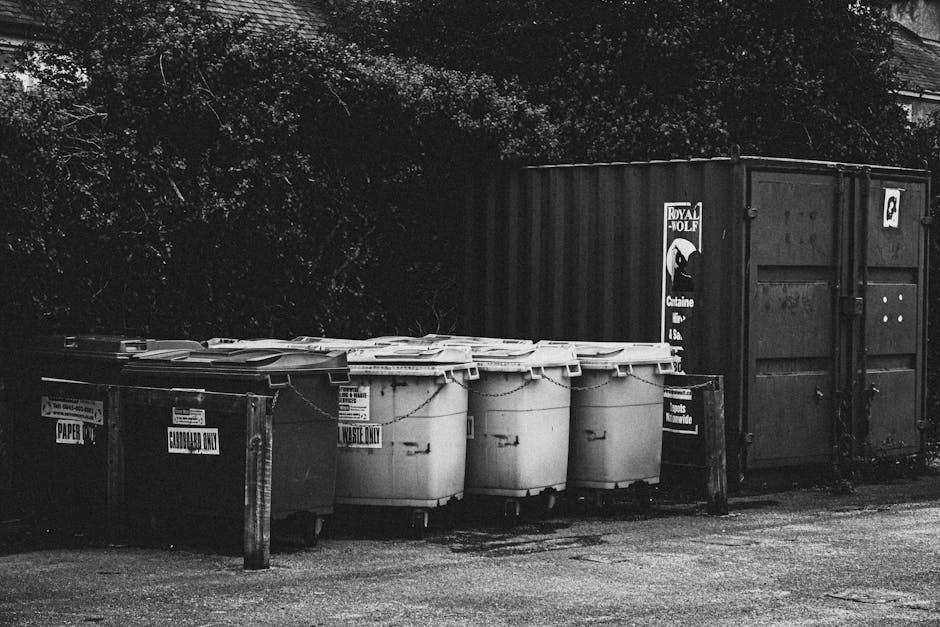
Charlton House bulky waste collection guide SE7
If you live near Charlton House and you are staring at an old sofa, a broken wardrobe, or a pile of awkward bits that will not fit in the boot, you are not alone. A proper Charlton House bulky waste collection guide SE7 should make the process feel less like a chore and more like a plan. The good news is that bulky waste does not have to become a weekend-consuming headache. With the right approach, you can clear space, stay on the right side of disposal rules, and avoid the usual faff.
This guide walks you through what bulky waste collection means in practice, what your options are, how to prepare items, and how to choose the most sensible route for your situation. It is written for real life, not ideal life. Because let's face it, most households do not have a spare room just waiting to store an old mattress until "someday".
Table of Contents
- Why Charlton House bulky waste collection guide SE7 Matters
- How Charlton House bulky waste collection guide SE7 Works
- Key Benefits and Practical Advantages
- Who This Is For and When It Makes Sense
- Step-by-Step Guidance
- Expert Tips for Better Results
- Common Mistakes to Avoid
- Tools, Resources and Recommendations
- Law, Compliance, Standards, or Best Practice
- Options, Methods, or Comparison Table
- Case Study or Real-World Example
- Practical Checklist
- Conclusion
- Frequently Asked Questions
Why Charlton House bulky waste collection guide SE7 Matters
Bulky waste sounds straightforward until you actually start moving it. A chest of drawers can be heavier than it looks. A sofa can be awkward in every possible way. A fridge? Well, that is a whole different story. For people in SE7, the challenge is not just getting items out of the house; it is choosing a disposal route that is legal, practical, and not unnecessarily expensive.
That is why a clear guide matters. Charlton House and the wider Charlton SE7 area include a mix of homes, flats, terraces, and managed buildings. Access can be tight. Parking may be limited. Stairs can be narrow. On a damp London morning, even one bulky item can feel twice its normal weight. A sensible collection plan prevents delays, damage, and those slightly embarrassing moments where a wardrobe is half-in, half-out of a hallway.
There is also an environmental side to this. Bulky items often contain materials that can be reused, dismantled, or recycled if handled properly. A careful approach helps keep reusable furniture in circulation and reduces the amount of waste sent to landfill. If sustainability matters to you, it should, this part is worth getting right.
For many households, the decision comes down to convenience versus control. Council collections can suit some situations. Private bulky waste collection can suit others. The important thing is understanding which option fits the item, the timing, and the access conditions at your property.
How Charlton House bulky waste collection guide SE7 Works
In simple terms, bulky waste collection is the removal of large household items that are too big for normal bins. Think sofas, beds, wardrobes, white goods, exercise equipment, tables, garden furniture, and similar items. The process usually starts with identifying what needs removing, then matching that waste to the right collection method.
For a typical SE7 household, the workflow is often this:
- Sort the items into reusable, recyclable, and disposable piles.
- Check whether any items need special handling, such as fridges or anything classed as hazardous.
- Measure larger pieces if access is tight.
- Choose your collection method based on urgency, quantity, and item type.
- Prepare the items for safe removal.
- Arrange the collection and make sure access is clear on the day.
That sounds neat on paper. In reality, the process is usually a bit messier. A wardrobe may not come apart cleanly. A sofa may be wedged in a hallway. Or you may discover that a "small pile in the garage" has become three piles, a lamp, and two mystery chairs. It happens.
If you want a broader service that handles more than one type of waste in one visit, a general waste removal service can be more efficient than trying to split the job across different arrangements. For mixed household clear-outs, that often saves a lot of time and stress.
When the waste is mainly furniture, it can also help to look at dedicated pages such as furniture clearance or furniture disposal, depending on whether you are removing a few pieces or clearing several rooms.
Key Benefits and Practical Advantages
A good bulky waste collection plan is not just about getting rid of things. It gives you breathing room. Rooms feel larger. Hallways become passable again. And the mental noise that comes with clutter tends to ease off too. A clear space can be a surprisingly powerful thing.
Here are the main advantages people usually notice:
- Less lifting and less risk - heavy items are awkward, and awkward is where people strain backs and knock walls.
- Faster room recovery - ideal if you are moving out, renovating, or preparing a property for sale or let.
- Cleaner disposal route - helpful when items need sorting for reuse or recycling.
- Better access in the home - particularly useful in flats or smaller Charlton properties where storage space is precious.
- More predictable timing - especially when you need everything gone in one tidy sweep.
There is also a small but real practical benefit in not spending your own time on vehicle hire, loading, unloading, and finding a disposal point that will accept what you have. To be fair, most people underestimate how much of a day bulky waste can eat up.
If you are handling furniture, mattresses, or appliances, targeted services can be helpful. For example, mattress and sofa disposal is a smart option when those items are the main problem, and fridge and appliance removal makes more sense when white goods need to go safely.
Who This Is For and When It Makes Sense
This guide is useful if you are a homeowner, tenant, landlord, letting agent, or simply someone in Charlton House or SE7 dealing with bulky items that have outstayed their welcome. It is especially relevant after:
- a house move
- tenant turnover
- renovation work
- spring clearing
- garage or loft decluttering
- new furniture delivery
- a bereavement or estate clearance
In many cases, bulky waste collection makes the most sense when the items are too large for normal disposal, too urgent for a slow tidy-up, or too awkward to move safely without help. If you are clearing several rooms, a more complete service such as house clearance or home clearance may be the better fit.
For people in flats or shared buildings, access is often the real deciding factor. Narrow stairwells, lifts with limits, and restricted parking can all make bulky waste removal more complicated than expected. If that sounds familiar, you may find flat clearance more relevant than a one-item collection.
And yes, sometimes the best time to deal with bulky waste is simply when you have finally had enough of looking at it. That is valid too.
Step-by-Step Guidance
If you want the process to feel manageable, break it down. Here is a practical way to approach bulky waste collection around Charlton House SE7.
1. Identify exactly what needs removing
Walk through the property and list each bulky item. Be specific. "Stuff in the spare room" is not very helpful. "Two single beds, one pine chest of drawers, one broken office chair, one microwave" is much better.
2. Separate ordinary waste from special waste
Not everything bulky is handled the same way. Mattresses, fridges, electrical appliances, and anything potentially hazardous may need separate treatment. If there is uncertainty, do not guess. That is how people end up making a simple job harder.
3. Measure access points
Check doorways, stair turns, lifts, and any tight corners. A few centimetres can decide whether an item comes out smoothly or turns into a wrestling match in the hallway. If a piece of furniture is too large, see whether it can be dismantled safely first.
4. Decide between collection methods
You can choose between council collection, skip hire, or a private waste removal service. Each has pros and cons. The right choice depends on how much waste you have, how quickly you need it gone, and whether your items need handling by a team.
5. Prepare the items for collection
Remove drawers, empty cupboards, tape up loose doors, and keep pathways clear. If you are disposing of a sofa or mattress, free it from bedding, cushions, or clutter so the team can move it safely. Small effort, big difference.
6. Make the day easy
Park access, lift access, and building instructions matter. If the collection team cannot get close to the property, everything takes longer. Leave clear directions and keep pets, children, and loose obstacles out of the way.
For users weighing up waste disposal against a more bundled approach, house clearance and loft clearance can often solve more than one problem in a single visit.
Expert Tips for Better Results
The difference between a smooth collection and a frustrating one is often in the details. Here are the things that tend to make the biggest difference in the real world.
- Take photos before booking - not because anyone needs a dramatic documentary of your old furniture, but because visuals help with planning and access decisions.
- Group items by room - this saves time and helps avoid last-minute confusion.
- Keep recyclable items separate where possible - mixed waste is harder to process efficiently.
- Check whether items can be donated or reused - if something is still usable, that may be the best outcome.
- Plan around building rules - some blocks have specific access windows or loading restrictions.
A simple trick that helps: stand at the front door and imagine the route each item must take to leave the property. If that route looks awkward to you, it will probably be awkward on the day. Better to notice it now than while someone is halfway down the stairs with a bulky cabinet.
For larger mixed jobs, it is often sensible to think in terms of the whole property rather than one object at a time. If that is the case, service pages like garage clearance, garden clearance, or office clearance may be the right starting point depending on where the waste has built up.
Common Mistakes to Avoid
Most bulky waste problems are avoidable. The usual mistakes are not dramatic, just annoying. And expensive in time, which, frankly, feels the same some days.
- Leaving booking too late - if you need the space cleared before a move or delivery, do not wait until the eve of the event.
- Forgetting about access - wide furniture through a narrow stairwell is a bad combination.
- Mixing hazardous items in with general waste - this can create safety and compliance issues.
- Not measuring large pieces - one quick tape measure session can save a lot of hassle.
- Assuming everything can go the same way - appliances, mattresses, wood, and upholstered items may need different handling.
- Ignoring building rules or parking limits - especially important in busy parts of SE7.
Another common mistake is overfilling a skip or underestimating the volume of waste. If you are considering that route, it is worth reading what can go in a skip before you decide. It helps avoid a lot of guesswork.
Tools, Resources and Recommendations
You do not need a van full of kit to manage bulky waste properly, but a few basic tools make life easier.
- Measuring tape - for doorways, lifts, furniture dimensions, and awkward corners.
- Work gloves - for grip and protection when handling rough edges or dusty items.
- Strong tape or straps - useful for securing loose drawers or lids.
- Old blanket or moving cover - helpful if items might scrape walls or flooring on the way out.
- Phone camera - simple, but brilliant for documenting access and item condition.
As for recommendations, think in terms of the outcome you want. If you need speed and minimal disruption, a dedicated collection service is usually the least stressful option. If you are clearing multiple rooms over a day or two, a more general waste removal approach may suit better. If the job is tied to a business premises, business waste removal is the more appropriate path.
If your bulky waste includes confidential papers or old files, it may be worth separating them and arranging confidential shredding rather than tossing them into general disposal. That is one of those small steps that quietly prevents bigger problems later.
Law, Compliance, Standards, or Best Practice
When you are dealing with bulky waste in the UK, the main point is simple: waste should be handled responsibly and passed to an appropriate route. You do not need to be a legal expert, but you do need to avoid unsafe or careless disposal. Best practice is usually about choosing a legitimate collection route, separating hazardous items, and making sure waste is not abandoned or fly-tipped.
For householders, the practical standard is common sense plus proper handling. Keep items secure, avoid unsafe lifting, and be careful with anything electrical, sharp, or contaminated. For landlords, letting agents, and businesses, the expectation is higher because there is usually a duty to manage waste in a more organised way. If in doubt, document what is being removed and where it is going. That is just good housekeeping, really.
Some bulky items require extra care. Fridges and freezers may contain components that should be handled through a suitable route, which is why a service like fridge and appliance removal can be important. Similarly, anything that could be hazardous should be kept separate and handled through an appropriate process, such as hazardous waste disposal.
If you are comparing providers, look for clear pricing, sensible safety information, and a recycling approach that makes practical sense. Helpful trust pages include pricing and quotes, recycling and sustainability, insurance and safety, and health and safety policy.
Options, Methods, or Comparison Table
Choosing the right bulky waste method depends on how much you have, how urgent the job is, and how much effort you want to put in yourself. Here is a straightforward comparison.
| Method | Best for | Advantages | Limitations |
|---|---|---|---|
| Council bulky waste collection | Single or small number of household items | Simple for some households, often familiar | May be slower, with limited dates and item rules |
| Skip hire | Ongoing renovation waste or larger mixed volumes | Good for multi-day projects, easy to fill gradually | Needs space, loading discipline, and the right item mix |
| Private bulky waste collection | Fast removal of large items or mixed household waste | Convenient, efficient, less manual lifting for the customer | May cost more than the most basic options, depending on volume |
| Full clearance service | Multiple rooms, garages, lofts, or whole-property clear-outs | Most comprehensive, saves time and coordination | May be more service than you need for one item |
If your job is mainly renovation-related, a specialist builders waste clearance page may be more relevant than a standard bulky waste approach. That becomes especially useful when the waste is a mix of packaging, offcuts, old fixtures, and demolition debris.
Case Study or Real-World Example
Here is a realistic scenario from the kind of jobs people in SE7 often face. A family in a Charlton House flat is replacing a sofa, a bed frame, and a tall wardrobe. The new furniture is being delivered on Friday afternoon. The hallway is narrow, the lift is small, and the old sofa has already spent one week leaning against the wall, which is one week too many.
Instead of trying to wrestle everything out after the delivery van arrives, they measure the access points first, separate the mattress from the frame, and take photos of the items and the route out of the flat. They also confirm whether the wardrobe can be dismantled safely. On collection day, the route is clear, the items are grouped together, and the job is done quickly without damage to the walls or a long argument with gravity.
That kind of planning sounds basic. It is. But basic planning is often what makes a bulky waste collection feel calm rather than chaotic. In our experience, the difference is usually about ten minutes of preparation, not a heroic effort.
If you are clearing a furnished property rather than a few items, a broader service like furniture clearance or home clearance may have been the better option from the start. The main lesson: match the method to the size of the job, not the other way round.
Practical Checklist
Use this checklist before collection day. It keeps everything from drifting into last-minute panic.
- List every bulky item that needs removing
- Check whether any item is electrical, hazardous, or requires special handling
- Measure doorways, stairs, lifts, and item dimensions
- Decide whether dismantling is safe and worthwhile
- Separate reusable items from true waste
- Clear the route from each item to the exit
- Confirm parking or access arrangements
- Keep pets and children away from the working area
- Make sure fragile surfaces are protected
- Have your collection details ready on the day
A small note from experience: if you can remove loose clutter from around the items, do it. Shoes, bags, plant pots, cables, bits of packaging - those little things are what trip people up when they are carrying something big. It is never the dramatic obstacle, is it? It is the forgotten umbrella stand.
Conclusion
Charlton House bulky waste collection in SE7 becomes much easier once you treat it as a small project rather than a last-minute scramble. Identify the items, choose the right method, prepare the access route, and keep special waste separate. Do those things well and you avoid most of the usual stress. You also end up with a cleaner space, which, honestly, can feel like a bit of a reset.
If you need a more tailored approach, it helps to compare the type of waste, the urgency, and the layout of your property before you book. For some homes, a simple collection is enough. For others, a room-by-room or property-wide service is the better answer. Either way, a careful plan makes the job simpler and safer.
Get a free quote today and see how much you can save.
And if you are still standing in the doorway wondering where to begin, start with one item. Just one. The rest tends to follow.
Frequently Asked Questions
What counts as bulky waste in Charlton House SE7?
Bulky waste usually means large household items that will not fit into normal bins, such as sofas, beds, wardrobes, mattresses, tables, appliances, and similar oversized pieces.
Can I put bulky waste out on the pavement?
Not without making sure it is handled through the correct collection route. Leaving items out informally can cause nuisance, obstruct access, or create compliance problems.
Is it better to book a bulky waste collection or use a skip?
It depends on the job. A collection service is usually better for large items and quick removal. A skip can make more sense for ongoing clear-outs or renovation waste.
What should I do with an old mattress or sofa?
Keep it separate from general rubbish if possible and use a suitable disposal route. Items like these are bulky, awkward, and often handled best through a dedicated service.
Do I need to dismantle furniture before collection?
Not always. But if a piece is too large for access routes, dismantling it safely can make the collection much easier. Only do this if it can be done safely.
How do I know if an item is hazardous?
If it contains chemicals, batteries, pressurised components, oils, or other risky materials, treat it with caution. When in doubt, keep it separate and ask for guidance before disposal.
Can fridges and freezers go with normal bulky waste?
They usually need more careful handling than ordinary furniture. A dedicated appliance removal route is often the better choice for fridges, freezers, and similar white goods.
What if I live in a flat with tight access?
Measure stairs, doors, and lift dimensions before collection day. Flat access is often the main factor that determines how smooth the removal will be.
How can I make bulky waste collection cheaper?
Sort items properly, combine waste into one job where sensible, and avoid last-minute complications. Clear access and accurate descriptions help keep the process efficient.
Should I keep reusable furniture out of the waste pile?
Yes, if it is still in good condition. Reuse is often better than disposal, and separating salvageable items can reduce the amount of waste that needs removing.
What if I am clearing a garage or loft as well?
That may be better handled as a broader clearance rather than a single bulky item collection. A garage or loft often contains a mix of items, not just one type of waste.
Where do I start if the job feels overwhelming?
Start with a list. Then sort by item type, measure the big pieces, and choose the right service. Breaking it into small steps makes the whole thing far less daunting.
For more about the company behind these services, you can also learn about our background and approach, review payment and security, or read the terms and conditions before booking. If you need to raise a concern later, the complaints procedure is there too. And for additional site information, the privacy policy and cookie policy are available for review.